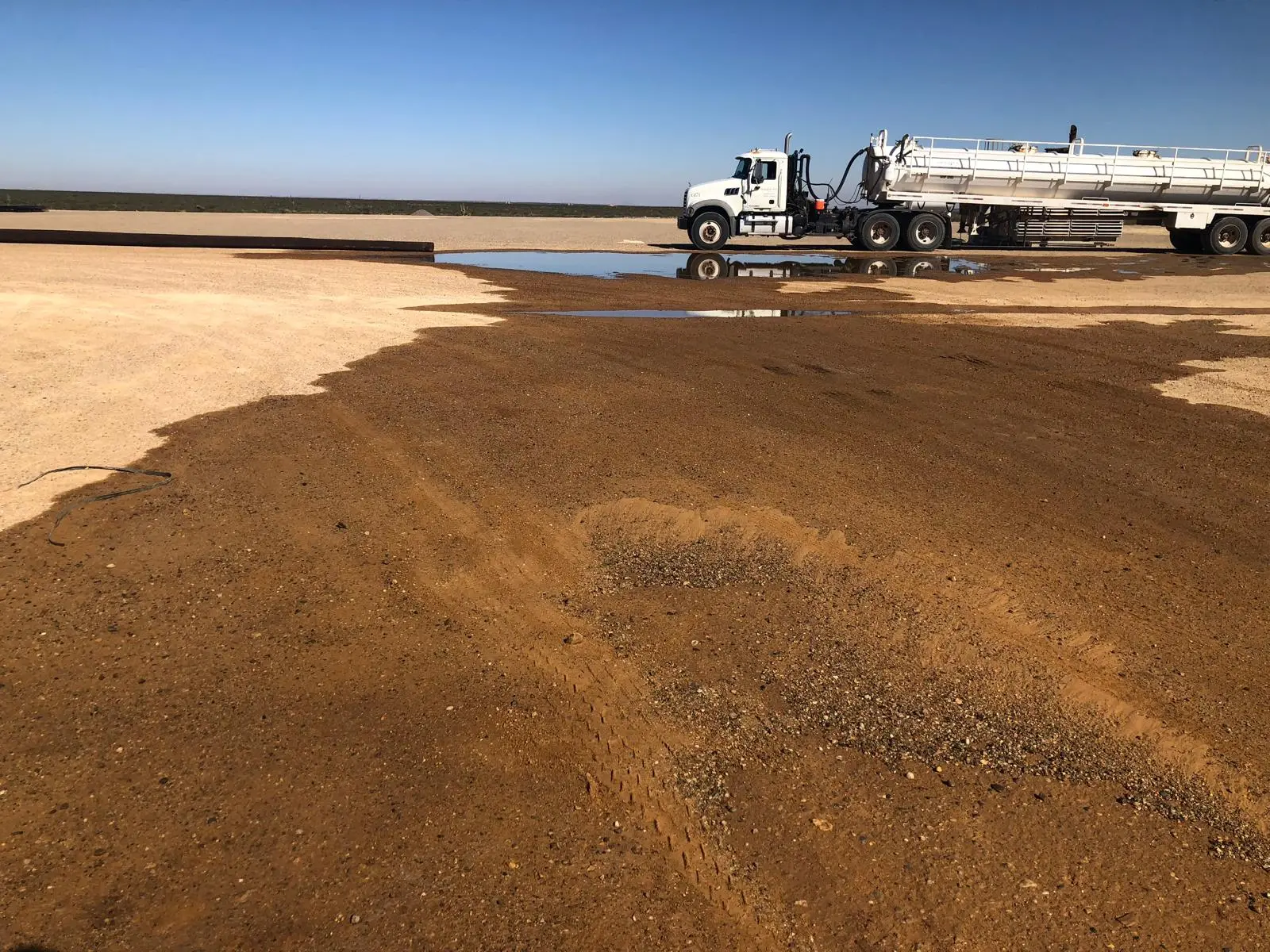
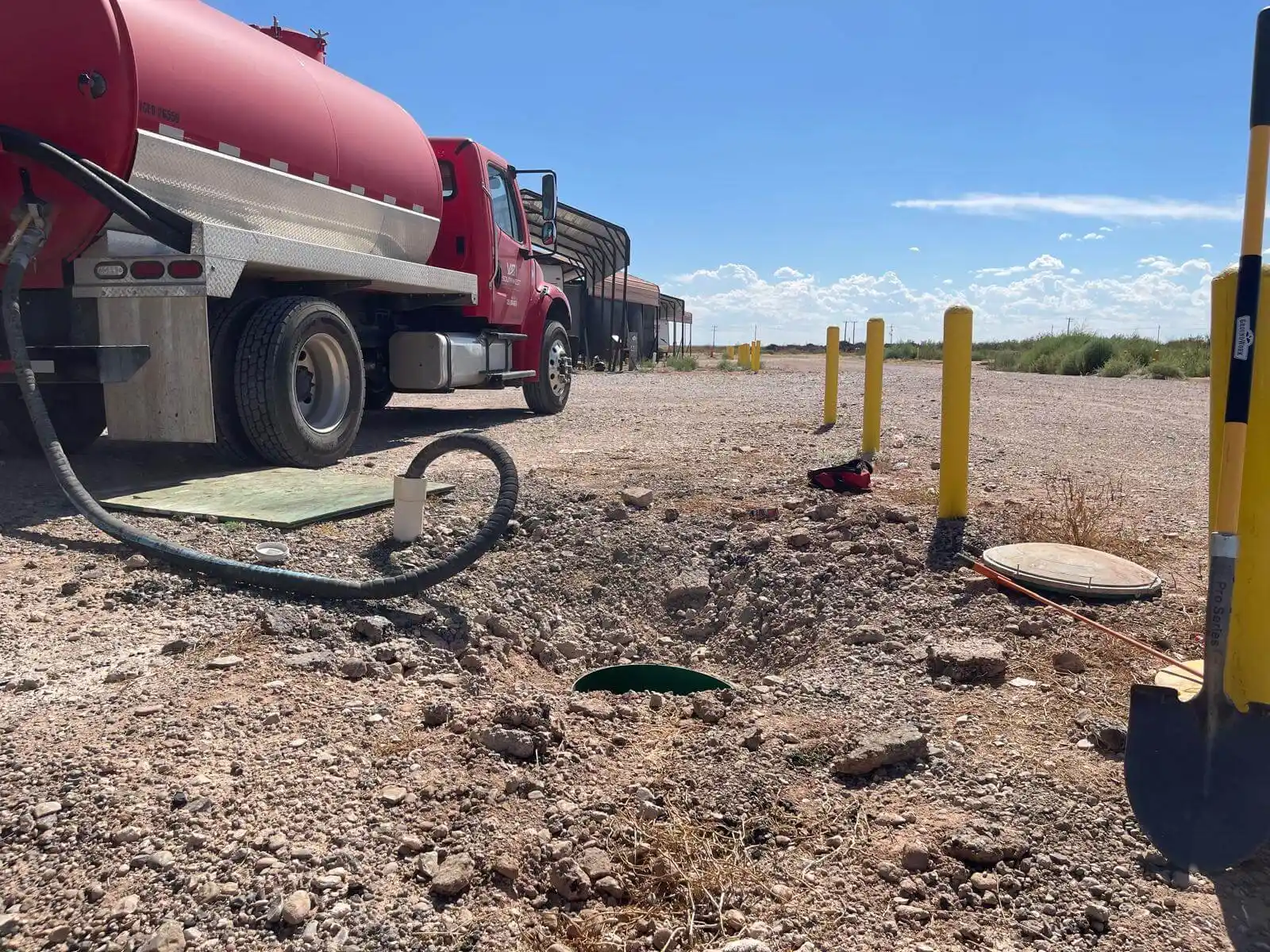
For any business that manages a grease trap, grit interceptor, or septic system, the phrase “out of sight, out of mind” is a dangerous operational strategy. These underground systems are the invisible infrastructure supporting your entire operation.
When things are working well, you forget they are there. But when they fail, they fail spectacularly—leading to emergency shutdowns, expensive repairs, and massive municipal fines.
A common and costly mistake that commercial property managers and business owners make is hiring a pumping service based on price alone. Often, the cheapest quote means you are paying for “liquid-only” pumping. To Google-proof your business against fines and failures, you must understand the critical difference between generic pumping and professional Grease Trap and Grit Pumping that achieves High-Vacuum Solid Removal.
Table of Contents
The Illusion of a “Clean” Tank
Imagine this scenario: Your restaurant is overdue for grease trap maintenance, or your car wash grit chamber is full. You call the lowest-bid contractor. Their truck arrives, they drop a hose, they pump for twenty minutes, and they leave. The water level in the tank is gone, and they hand you a receipt.
You assume the system is clean. This is the “liquid-only” illusion.
What is Left Behind?
The waste streams managed by grease and grit interceptors naturally separate.
Fats, Oils, and Grease (FOG): These materials float to the top, forming a thick, hardened layer.
Grit, Sand, and Sediment: These are heavy solids that sink to the very bottom, forming a dense, compacted sludge.
A standard pump truck—often used by less specialized or residential septic services—may have enough suction to draw the middle layer of greywater and some of the floating FOG. However, standard equipment often lacks the airflow and vacuum pressure (CFM) required to lift the dense, heavy sludge and grit from the bottom of a deep commercial tank.
When a contractor only removes the liquid, they are leaving 30% to 50% of the total waste volume behind. The heavy solids that cause the most significant functional problems remain, significantly reducing the tank’s future capacity.
How Compacted Grit and Sludge Damages Your Infrastructure
The goal of any interceptor is retention time. It holds the waste long enough for the gravity-based separation process to occur. When the bottom third of the tank is permanently filled with compacted grit or solidified sludge, the retention time is dramatically reduced.
1. Frequent, Costly Overflows
A tank with reduced capacity will fill up much faster than intended. What used to be a standard 90-day maintenance cycle may now require pumping every 45 days just to keep up. While the initial “liquid-only” pump was cheap, you are now paying twice as frequently to manage a failing system.
2. Failure and System Backups
If the solid accumulation reaches the tank’s outlet pipe (the flow-through point), the entire system fails. In a restaurant, this results in raw sewage or rancid grease backing up into commercial floor drains. In a car wash or industrial bay, it causes standing water, forcing an immediate shut down of operations while an emergency vacuum truck is sourced (at emergency rates).
The Municipal Risk: Sampling Ports and Inspections
Local municipalities are increasing enforcement of FOG and grit regulations to protect public wastewater infrastructure. (See the infographic above for a visualization of this critical check.)
When a municipal inspector visits your facility, they don’t just ask if you have a receipt from a pumper. They will often inspect the Sampling Port (or monitoring manhole), which is the point where water exits your facility and enters the city sewer line.
If your interceptor has excessive sludge buildup, it cannot effectively “interrupt” the flow. This means heavy grit or grease is escaping your tank and entering the public sewer. This is a clear violation of municipal codes, resulting in:
Heavy financial penalties.
Surcharges on your water bill.
Mandated, immediate corrective actions.
A standard “liquid-only” receipt is not defense enough when an inspector finds grease-choked pipes downstream from your property.
Restoring Capacity: The Power of High-Vacuum Solid Removal
Professional Grease Trap and Grit Pumping requires specialized, high-performance vacuum equipment. This is not a task for a residential-grade septic truck.
High-vacuum (high-CFM) trucks create the massive airflow necessary to break up and lift the densest materials, including:
Impacted sand and grit from car washes.
Hardened “grease caps” that haven’t been disturbed in years.
Heavy sewage sludge at the bottom of commercial septic tanks.
Our specialized equipment ensures that all contents of the tank—both liquid and solid—are removed. We don’t just lower the water level; we restore the tank to its full engineered capacity.
The True ROI of Scheduled Maintenance
While high-performance pumping may have a higher line-item cost than the “cheap guy,” the long-term return on investment (ROI) is significant:
Lower Long-Term Pumping Costs: You pump less frequently because each service removes 100% of the waste.
No Emergency Shutdowns: Scheduled maintenance prevents the catastrophic backups that close your doors.
Total Compliance: We provide the necessary documentation to prove full solid removal and legal disposal, satisfying any municipal inspection.
A Higher Standard of Service
Your facility’s waste system is too critical to trust to guesswork or inferior equipment. If your interceptor is filling up faster than it should, you are likely only getting half a pump.
We specialize in complex, heavy solid extraction that restores your system’s performance and guarantees your compliance. We provide full “Cradle-to-Grave” liability management, meaning we handle the pumping, the transport, and the legal disposal—protecting your business at every step.
Don’t wait for a sampling port violation or a floor drain backup. Contact us today for a comprehensive, full-solid inspection and pumping quote. Let’s get your infrastructure working at 100% capacity.
Need Environmental Spill Response in Texas?
Veskey Cole Environmental provides reliable services including spill response, industrial cleaning, septic pumping, and waste disposal.