In communities like Midland, Texas, proper wastewater management is essential for protecting public health, local infrastructure, and the surrounding environment. One of the most common yet overlooked threats to sewer systems is FOG—Fat, Oil, and Grease.
When fats, oils, and grease are improperly disposed of down drains, they can accumulate inside sewer lines and septic systems, leading to costly blockages, wastewater overflows, and environmental contamination. For communities across Pecos County and the broader region of Texas, managing FOG is an important part of maintaining reliable wastewater infrastructure.
Table of Contents
What is FOG (Fat, Oil, and Grease)?
FOG stands for fats, oils, and grease that enter the wastewater system through kitchen drains. These substances come from common cooking activities and food preparation.
Typical sources of FOG include:
Cooking oil and frying grease
Meat fats and food scraps
Butter, sauces, and dairy products
Salad dressings and marinades
Food processing waste
Although these substances are liquid when hot, they solidify as they cool, creating buildup inside sewer pipes.
How FOG Causes Sewer Blockages
When fats, oils, and grease enter sewer lines, they begin to stick to the walls of pipes. Over time, the grease accumulates and traps other debris such as wipes, food waste, and paper products.
This buildup can eventually create severe blockages that restrict wastewater flow.
Common problems caused by FOG buildup in sewer systems include:
Sewer backups into homes and businesses
Wastewater overflows into streets and storm drains
Damage to municipal sewer infrastructure
Expensive emergency maintenance and repairs
In extreme cases, grease accumulations can form large masses known as “fatbergs,” which require specialized industrial cleaning to remove.
Environmental Risks of FOG in Wastewater Systems
FOG blockages can lead to sanitary sewer overflows (SSOs), which occur when wastewater spills out of sewer lines before reaching treatment facilities.
These overflows can contaminate:
Rivers and lakes
Stormwater systems
Drinking water sources
Local ecosystems
Environmental contamination from sewer overflows can also result in regulatory violations and costly cleanup efforts for municipalities and businesses.
How FOG Affects Wastewater Treatment Plants
Even when FOG reaches wastewater treatment facilities, it can still cause significant operational issues.
Excess grease can:
Coat pumps and mechanical equipment
Interfere with biological treatment processes
Reduce oxygen transfer in aeration systems
Increase sludge buildup
As a result, treatment plants must invest additional resources into grease removal and equipment maintenance, increasing operational costs.
Businesses That Generate High Levels of FOG
While residential kitchens contribute to grease disposal problems, commercial food operations produce the highest volumes of FOG.
Industries commonly associated with high FOG production include:
Restaurants and commercial kitchens
Food processing facilities
Cafeterias and catering services
Meat processing plants
Industrial food manufacturers
To reduce sewer system damage, many municipalities require these businesses to install grease traps or grease interceptors.
Preventing FOG Wastewater Problems
Preventing fats, oils, and grease from entering sewer systems is the most effective way to protect wastewater infrastructure.
Key prevention strategies include:
Proper Grease Disposal
Allow grease to cool and dispose of it in sealed containers instead of pouring it down the drain.
Grease Trap Installation and Maintenance
Grease traps capture fats and oils before they enter sewer systems. Regular cleaning ensures they function properly.
Routine Greaase Trap Cleaning
Professional industrial cleaning services can remove grease buildup from pipelines before major blockages occur.
Employee Training
Food service workers should be trained in proper grease management practices.
The Role of Environmental Service Companies
Professional environmental service providers help municipalities and businesses manage FOG-related wastewater challenges through services such as:
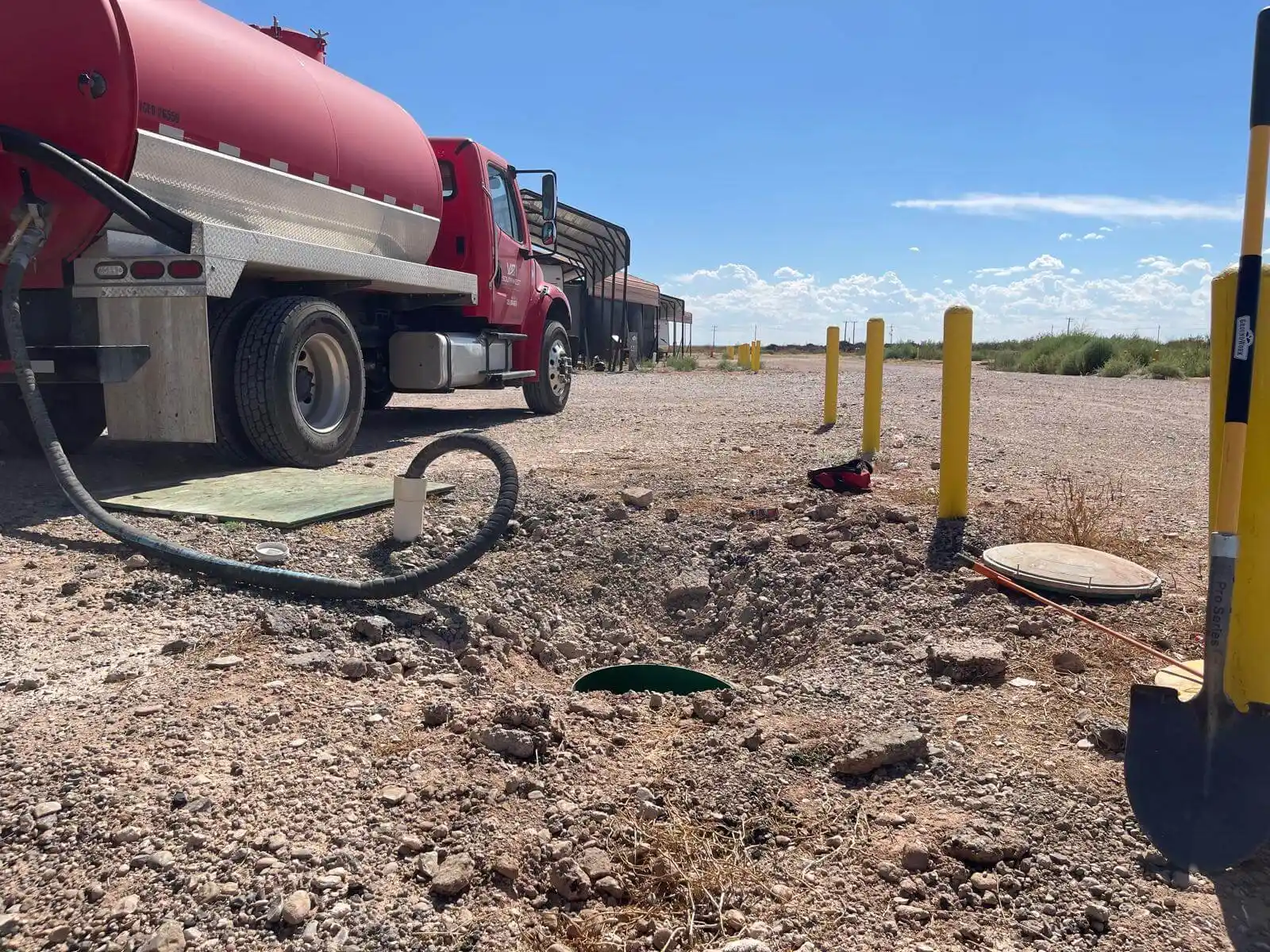
Septic, grease, and grit trap pumping
Industrial sewer line cleaning
Vacuum truck services
Wastewater system inspections
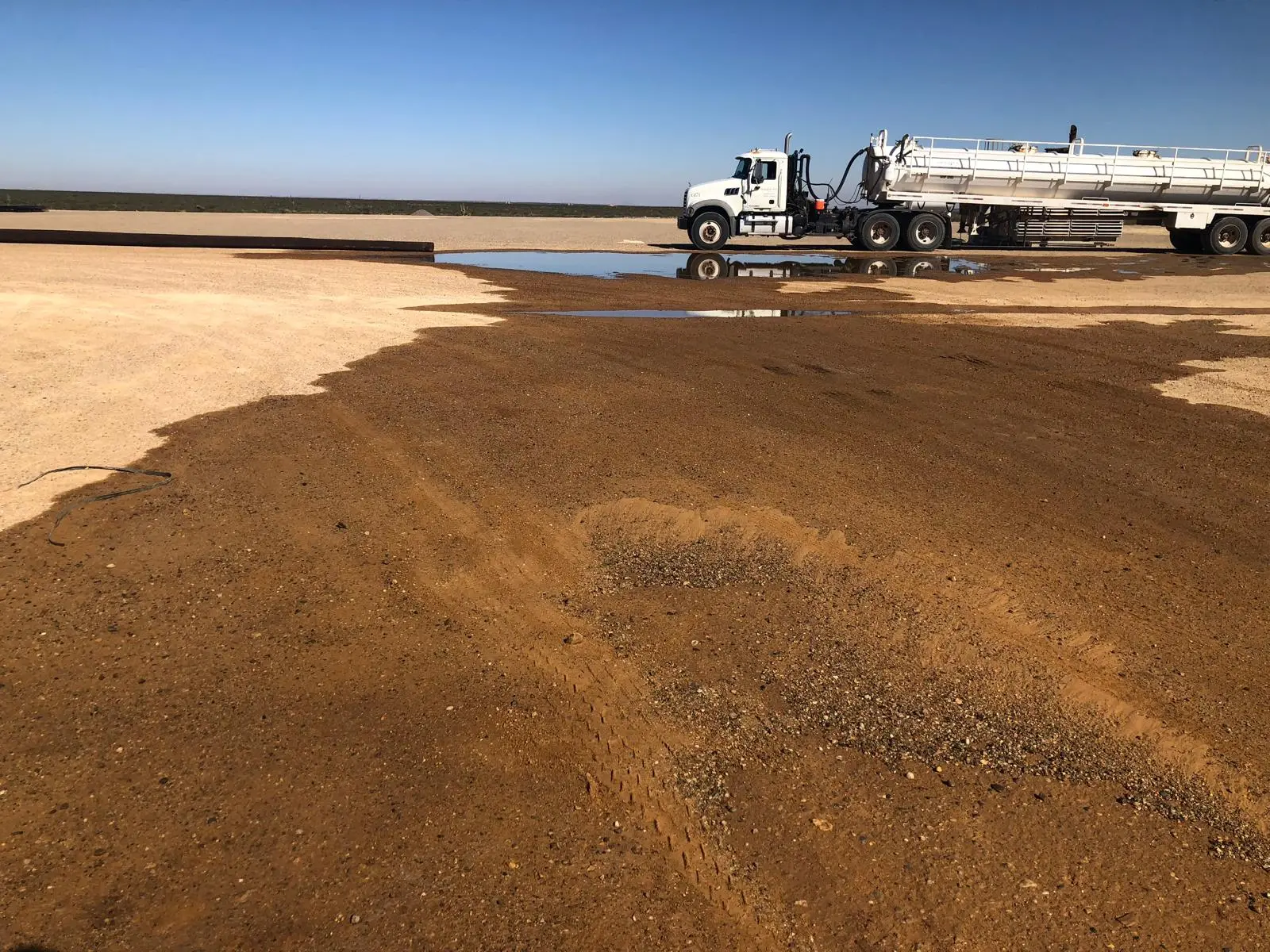
Emergency spill response
These services help prevent blockages, maintain regulatory compliance, and protect wastewater infrastructure.
Conclusion
FOG—fat, oil, and grease—may seem like a minor kitchen waste product, but its impact on wastewater infrastructure and sewer systems is significant. When improperly disposed of, grease can clog pipes, cause wastewater overflows, and damage treatment facilities.
By implementing proper grease management practices and utilizing professional environmental services, communities and businesses can protect sewer systems, prevent environmental contamination, and reduce costly infrastructure repairs.
Responsible FOG management plays a critical role in maintaining safe, efficient, and sustainable wastewater systems.
Need Environmental Spill Response in Texas?
Veskey Cole Environmental provides reliable services including spill response, industrial cleaning, septic pumping, and waste disposal.