
Serving Commercial & Industrial Clients Across West Texas
Local Service. Regional Expertise.

Safety Focused
Committed to safe, compliant operations

Local Experts
West Texas knowledge you can trust

Rapid Response
24/7 Availability for urgent needs
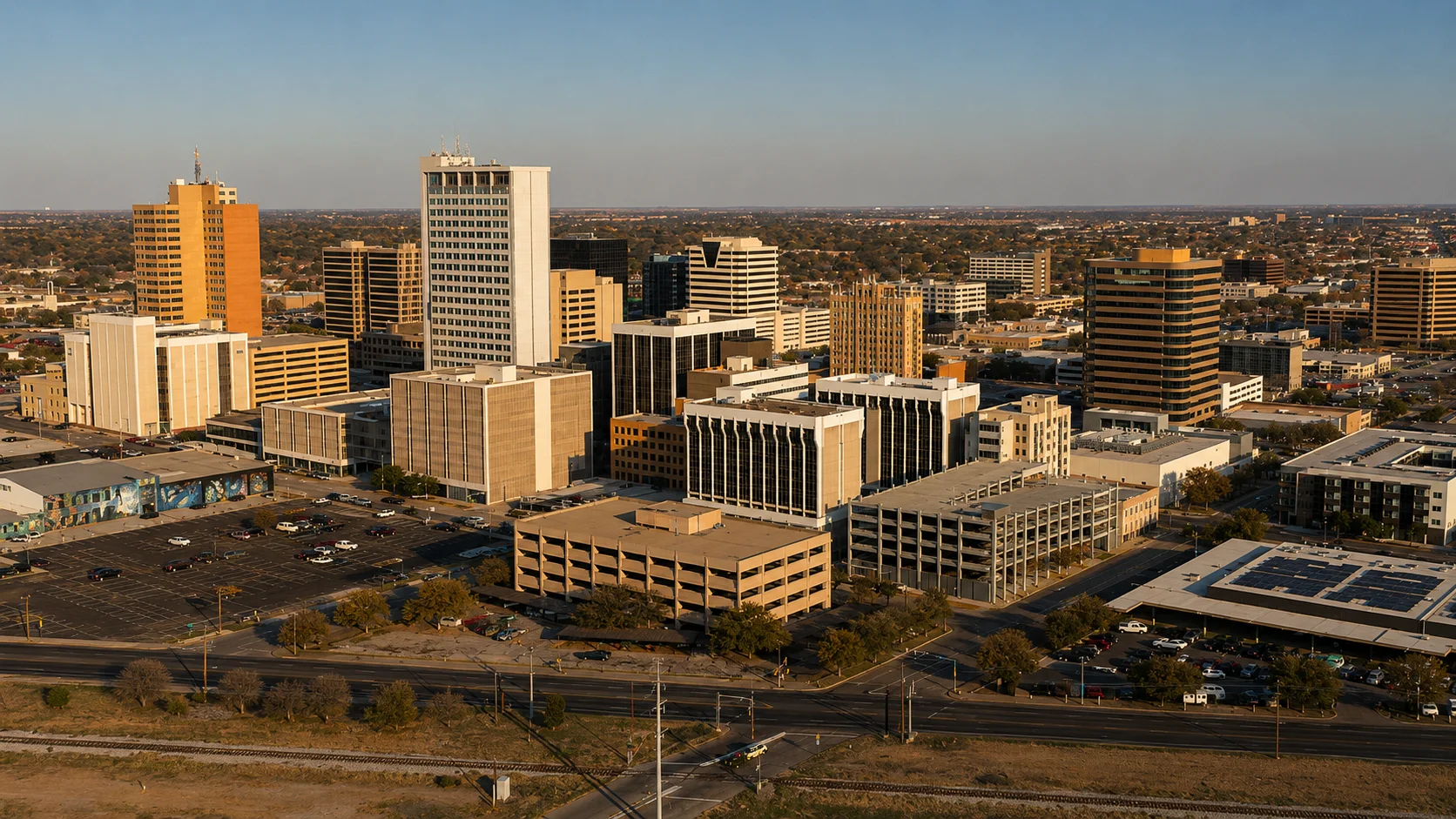
Areas We Serve
- Barstow
- Pecos
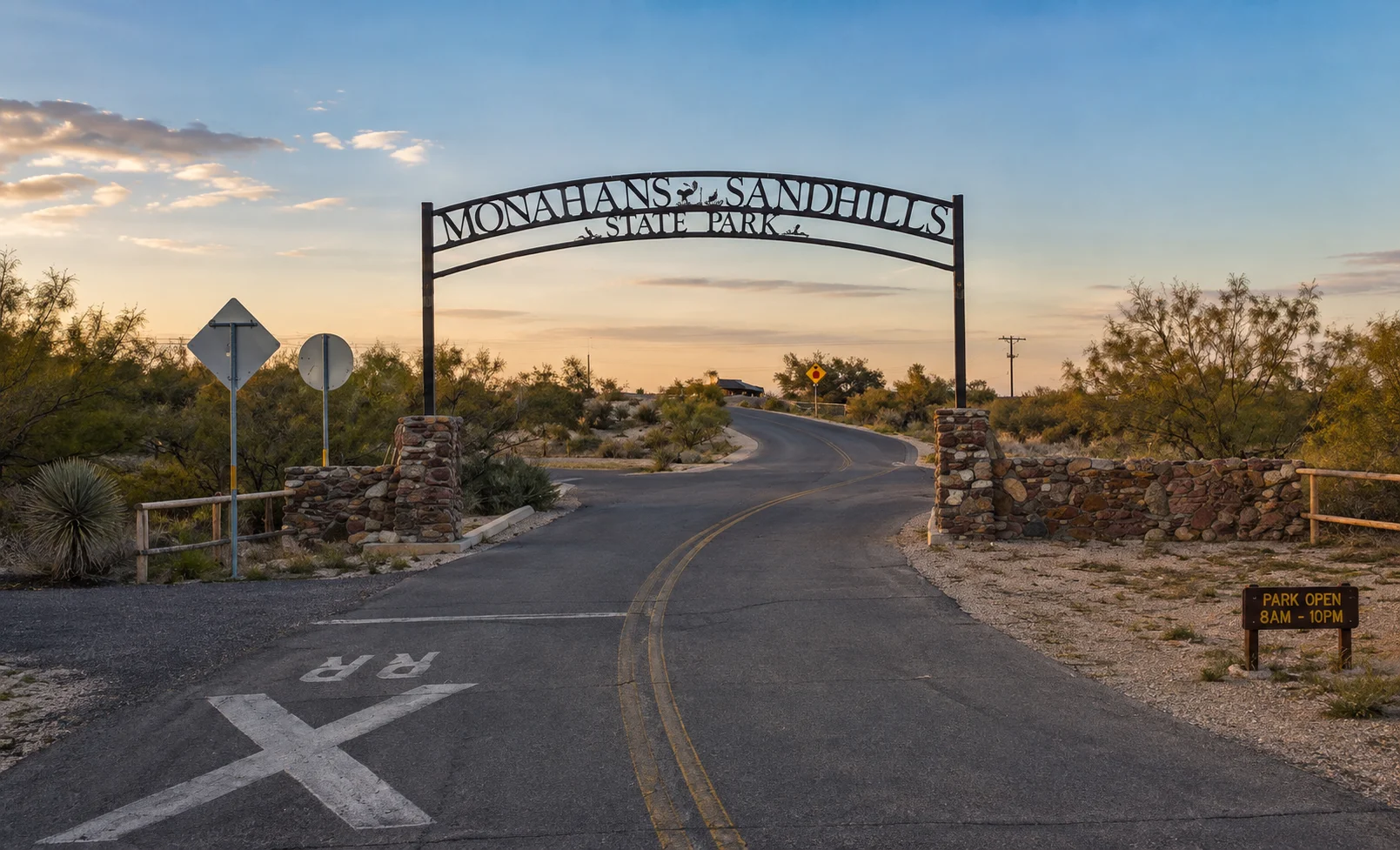
- Monahans
- Fort Stockton
- Van Horn
- Balmorhea
- El Paso
- Midland
- Odessa
- Fort Davis
- Alpine
- Llano
- Mason
- Doss
- Harper
- Junction
- Pontotoc
- Fredericksburg
Featured Locations
Industries We Support

Oil & Gas

Construction

Municipalities
Commercial Facilities
Industrial Plants
Infrastructure
Why Businesses

Reliable & Responsive
We respond fast and deliver dependable service every time.

Commercial Expertise
Deep industry knowledge and solutions built for complex operations.

24/7 Availability
Our team is ready whenever you need us, day or night.

Proven Track Record
Hundreds of successful projects and long-term partnerships

A Simple Process. Proven Results.

Consultation
We listen to your needs and understand your project requirements.

Plan & Schedule
We create a plan and schedule the work around your needs.

Service Execution
Our skilled team gets the job done safely and efficiently.

Project Completion
We ensure quality results and your complete satisfaction.
Frequently Asked Questions
How do you help companies achieve "Zero Landfill" status?
Valorization is the process of turning waste into a commodity. Instead of paying for disposal, we help you find secondary markets for your industrial byproducts (like oils, chemicals, or scrap), potentially turning a disposal cost into a new revenue stream.
What industries do you specialize in?
We specialize in serving oil and gas, construction, municipal, commercial, and industrial operations throughout West Texas. Our services are tailored to meet the environmental, waste management, cleaning, and site-support needs of each industry.
Can you handle both liquid and solid hazardous waste?
Yes. Our fleet includes vacuum trucks, roll-off containers, and specialized tankers capable of transporting everything from bulk liquids and sludges to contaminated soil and solid chemicals.
Can you handle confined space entry cleaning for large-scale tank vessels?
Yes. For high-complexity tasks, we deploy a three-person specialized entry team (Entrant, Attendant, and Supervisor) as per OSHA legal requirements.
How do I know if my site requires remediation?
Look for the “Three Alarms”: Discoloration (oily or bluish sheens on dirt), Unusual Odors (sulfur or petroleum smells), or Vegetation Death (patches of land where nothing grows). If you notice these, we perform a Phase II Environmental Site Assessment—taking core samples to determine the exact depth and spread of the contamination.
How often should a commercial grease trap be pumped?
Most jurisdictions follow the “25% Rule.” Once the floating FOG (Fats, Oils, and Grease) and settled solids reach 25% of the trap’s capacity, it must be pumped. For most high-volume kitchens, this means a professional service every 30 to 90 days to remain compliant with municipal sewer codes.
What happens if I neglect my grease trap or septic system?
Neglect leads to line blockages, foul odors, and sewage backups. Beyond the physical damage, municipalities can issue heavy fines if grease is found to be entering the public sewer line. We provide a Service Log after every pump, which serves as your legal proof of maintenance for health department inspections.
What is the benefit of a professional septic inspection versus just pumping?
Pumping simply removes the waste. An Inspection checks the structural integrity of the tank, the health of the baffles (which prevent solids from escaping), and the drainage efficiency of the leach field. Catching a cracked baffle or a clogged filter during a routine pump can save you tens of thousands in field replacement costs.